
Specialist support when behaviour may be communicating distress or an unmet need
Positive behaviour support (PBS) is one part of our wider approach. It is not something everyone needs.
It’s a person-centred approach that focuses on understanding why someone behaves the way they do, and finding ways to meet their needs that respect their dignity and improve their quality of life.
Traditional care often focuses on stopping a behaviour. Our approach asks different questions: what is this person trying to tell us? What do they need? How can we change the environment or our approach to help?
We have a dedicated Central PBS Team — including specialist leads and practitioners — who work directly with our support teams across all our learning disability services.
Behaviour is communication
Behaviour can tell us that someone is in pain, frightened, overwhelmed, bored, unable to communicate a need, or finding something in their environment difficult.
PBS does not begin by asking how to stop a behaviour. It asks what the person may be communicating, what is happening before and after the behaviour, and what needs to change to improve their quality of life.
What PBS may involve
- learning how the person communicates and what their behaviour may mean
- understanding patterns, triggers, health needs, sensory needs, and environmental factors
- increasing choice, meaningful activity, predictability, and opportunities to take part
- adapting the environment or the way staff provide support
- helping the person develop communication, coping, or emotional regulation skills
- agreeing clear guidance so staff respond consistently and respectfully
- reducing restrictive practices and reviewing any restrictions that remain
The right level of planning
Many people may have short behaviour support guidance that explains what certain signs can mean and how staff should respond.
People with more complex needs may have a full PBS assessment and plan. This brings together detailed information about the purpose of behaviour, ways to prevent distress, early support strategies, and safe responses if a situation escalates.
Plans should be created with the person as far as possible, using communication that works for them. Families and professionals may also contribute where the person wants this or where it is appropriate and lawful.
Specialist support for teams
Southdown’s Central PBS Team includes specialist leads and practitioners who work with support teams across our learning disability services.
They help teams assess behaviour, develop and review plans, improve communication and environments, learn from incidents, and reduce the use of restrictive interventions.
Reducing restrictive practice
In 2024–25, Southdown’s learning disability services reported:
0
reduction in the use of physical restraint0
reduction in the use of personal safety techniques0
people had at least one restrictive technique that had not been used for three years, prompting review for removal from their plans.
Our restrictive-intervention training is BILD ACT certified against Restraint Reduction Network standards. Any restrictive intervention is recorded, reviewed, and treated as something to reduce wherever possible.
Anytime we use restraint, we risk traumatising someone. By reducing these interventions, we allow people to lead their own lives and develop their own strategies for success.
- Debbie Dacey, PBS Team Leader
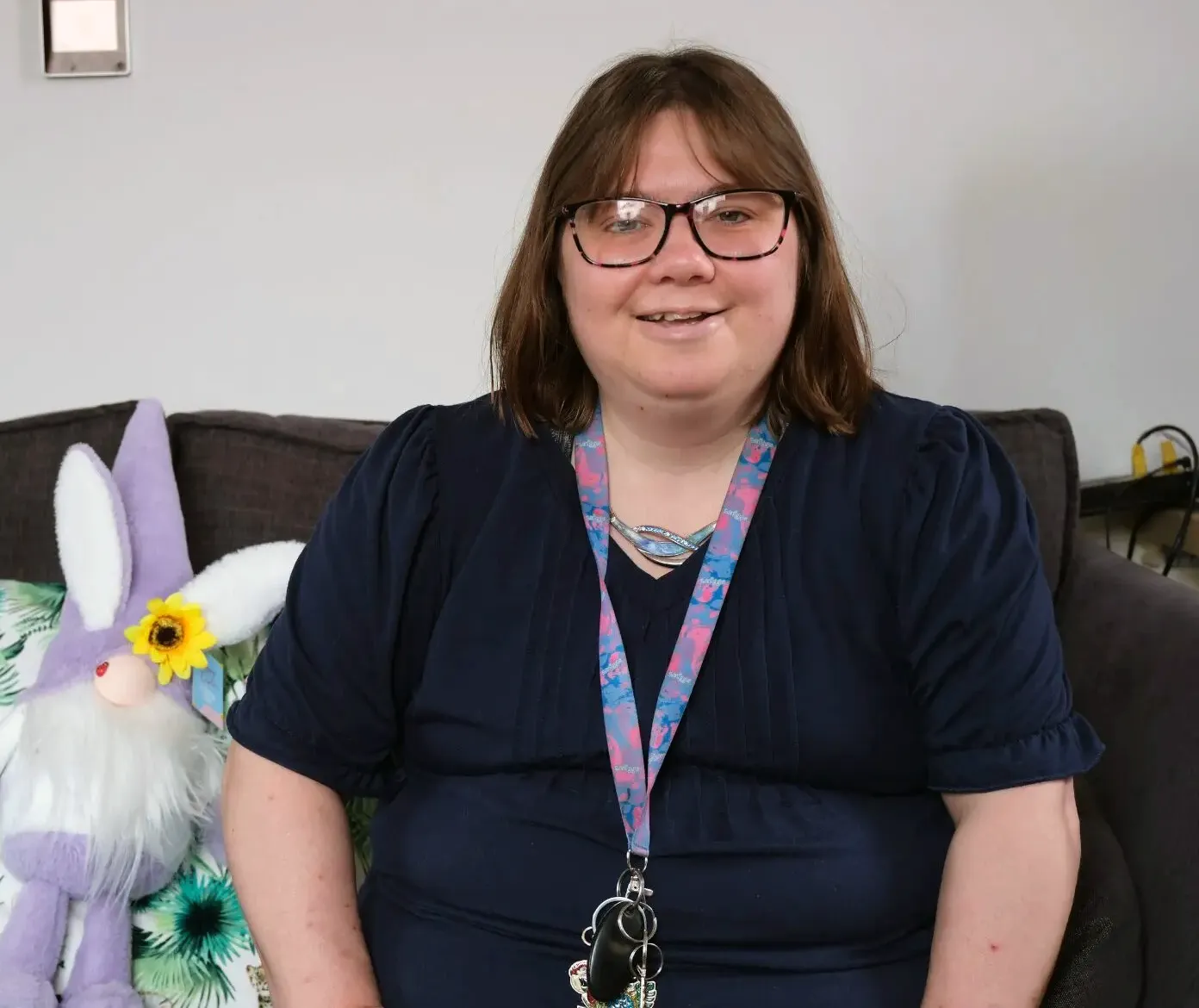
Juliet’s story
Juliet worked with Southdown to create her own positive behaviour support plan.
The plan helped her explain how she feels, share what support works best for her, and build more confidence in everyday life.
Her story shows what can happen when a person is listened to, involved in decisions, and supported to communicate in a way that works for them.
Working together
We work with the person, their support team, and, where appropriate, family members, advocates, social workers, and health professionals.
The aim is always a better quality of life: more choice, more participation, better communication, safer relationships, and fewer restrictions.
Looking for support?
Find out what services are available to you or someone you care about.
Explore more about us
Dive deeper into how we work, who leads us, and how we perform:
Housing support
Safe, secure homes and tailored support to help people sustain their tenancies and live well.
Find out moreMental health & employment
Person-centred support for over 160 people across Sussex to live with dignity and independence.
Find out moreHow we work
Our values, the Southdown Beacon, and how we involve clients and tenants in shaping our services.
Find out more