
Positive behaviour support
We believe all behaviour is communication. When someone expresses distress through their behaviour, they’re telling us something – about an unmet need, a difficult experience, or something in their environment that isn’t working for them.
What positive behaviour support is
Positive behaviour support (PBS) is how we listen. It’s a person-centred approach that focuses on understanding why someone behaves the way they do, and finding ways to meet their needs that respect their dignity and improve their quality of life.
Traditional care often focuses on stopping a behaviour. Our approach asks different questions: what is this person trying to tell us? What do they need? How can we change the environment or our approach to help?
We have a dedicated Central PBS Team — including specialist leads and practitioners — who work directly with our support teams across all our learning disability services.
What positive behaviour support means in practice
PBS is about building on strengths, not focusing on limitations. It’s about teaching new skills, creating better environments, and finding ways for people to communicate their needs that work for them.
Understanding communication
We work to understand the “why” behind distress — listening carefully to what someone’s behaviour is telling us about their needs.
Building new skills
We teach coping strategies and new ways to communicate, so that challenging behaviour is no longer the only way for someone to get their message across.
Creating safer spaces
We “design out” the need for restrictive responses — adapting room layouts, creating calm spaces, and ensuring people have the room they need to feel safe.
Quality of life champions
PBS isn’t just a clinical approach — it’s a daily practice. In every service, our Quality of Life Champions help turn PBS principles into real, joyful moments.
They help people build friendships, try new things, and take positive risks. Through initiatives like our Sussex-wide Pen Pal Scheme, we help people connect across services — reducing isolation and building communication skills through letters and art.
Making a difference
Martyn's story
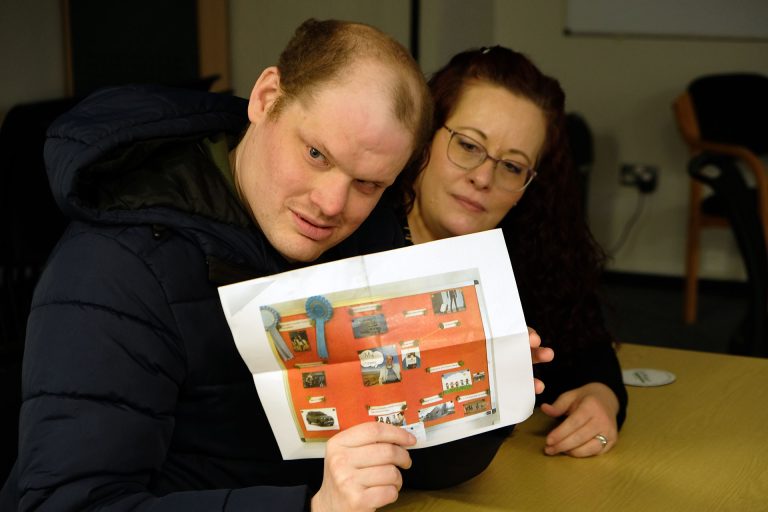
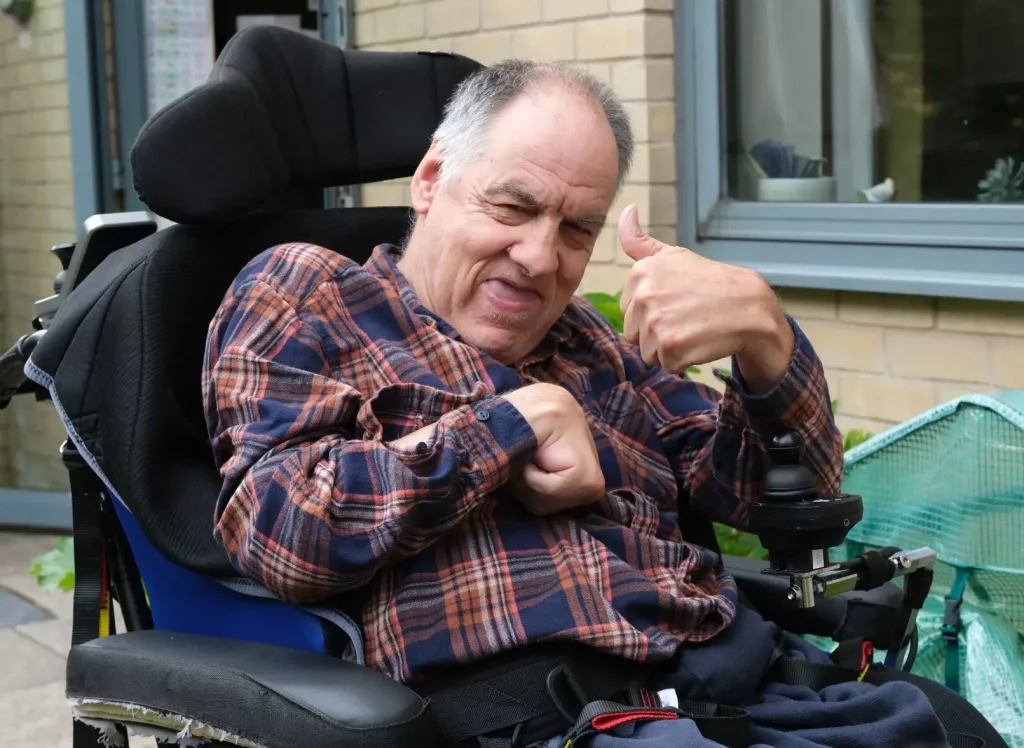
Martyn lives in supported living and loves planning trips, helping with staff training, and being involved in decisions. He chooses where he goes on holiday, helps induct new staff, and opens team meetings.
“Come in and sit down. It’s great, I really love it.”
Measuring effectiveness
We track every intervention through our RIMES monitoring system. If a restrictive technique hasn’t been used in three years, we review it with families and managers to remove it.
Of 38 clients who had restraint in their plans, 35 have had it removed entirely.

BILD ACT certified — meeting the highest national standards for restraint reduction and Restraint Reduction Network standards.
Joined up care with family and community
We work in close partnership with families to make sure our support plans are consistent, familiar, and rooted in the history and preferences of the person we support.
We keep families informed and involved — not just when things are difficult, but as part of ongoing planning and review. Together, we ensure that every person at Southdown is seen for their potential, not their challenges.
Being part of a community matters. We support people to build connections, try new things, and take part in activities that bring them joy. Throughout the year, we bring people together for events like our summer Fiesta and Christmas celebrations — opportunities to have fun, meet others, and feel part of something bigger.
Looking for support?
Find out what services are available to you or someone you care about.
Explore more about us
Dive deeper into how we work, who leads us, and how we perform.
Housing support
Safe, secure homes and tailored support to help people sustain their tenancies and live well.
Find out moreMental health & employment
Support through crisis, recovery, and into work — including Staying Well crisis cafes and employment coaching.
Find out moreHow we work
Our values, the Southdown Beacon, and how we involve clients and tenants in shaping our services.
Find out more